Pulled up at a Geelong café near the waterfront, I asked a designer-mathematician mate of twenty-plus years what separates the best casino games for tournaments from a fair-dinkum cash run. “Cashier flow, defo,” he said. “Players care about the spin, but if the deposit’s clunky and the withdrawal drags, the tournament’s already over.” Reel anglers will recognise the lure mechanics on offer at https://big-bass-floats-my-boat.com/, where the reels mimic weekend casts on the bay.
What Tournament Reels Actually Reward
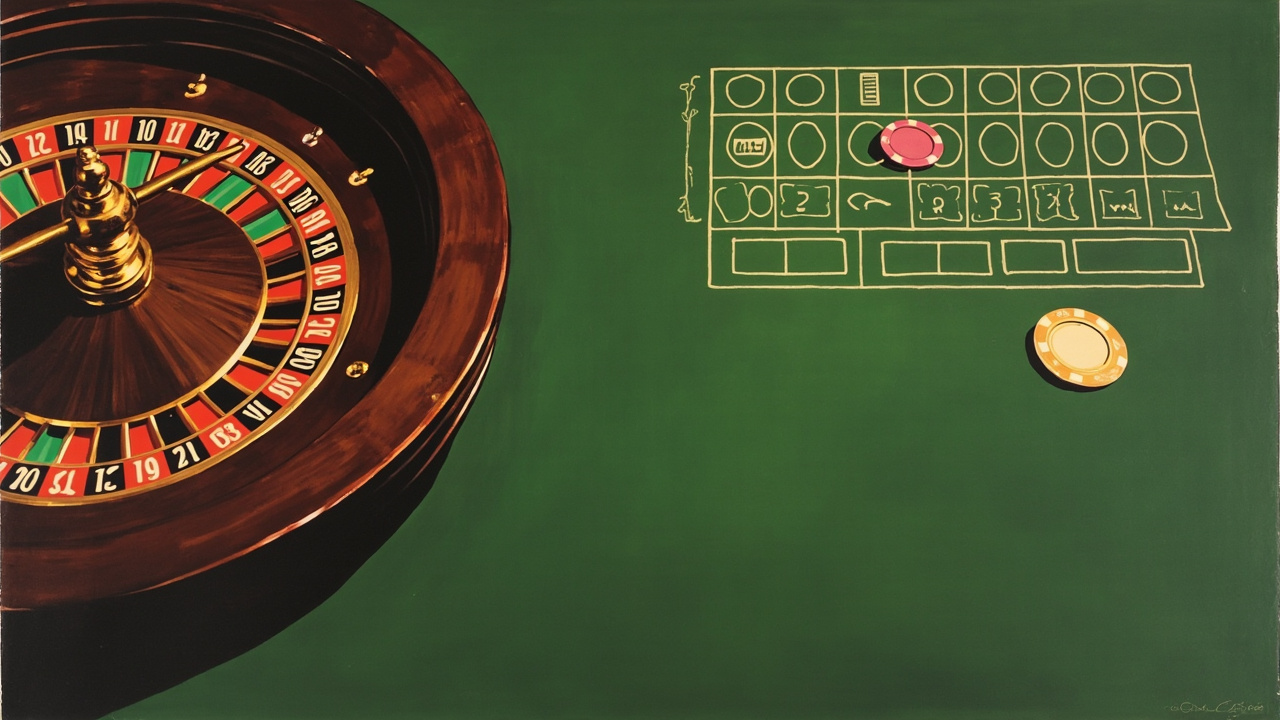
From the design bench, I’d put a tournament game in one of three buckets. High-volatility slots – your Big Bass Bonanza-style reels and Money Train derivatives – chase top-heavy prize pools but burn a bankroll in five spins flat. Medium-volatility games, the Pragmatic Play Gates of Olympus family or Hacksaw’s Wanted-style entries, hit a sweet spot where leaderboard points compound over a session. Low-volatility classics like Starburst-clones suit a ‘wager-count’ leaderboard because every spin moves the meter.
ReelRidge Casino runs Drops & Wins network events plus weekly free-spin ladders, so the provider mix matters as much as the title. A higher RTP doesn’t guarantee a leaderboard finish when scoring is win-based, not turnover-based – that’s the trap I see punters walk into at the Eastern Beach kiosk, asking why their 96.5% game paid less than the guy running 94%. Players chasing long-tail prizes will tell you RTP matters most, but in a tournament, scoring rules trump the math on paper. After twenty-plus years modelling these reels, my honest take is simple: match the volatility to the scoring rule and the tournament becomes a maths problem, not a coin-flip.
Cashier Flow When You’re Chasing a Leaderboard
Deposit, spin, withdraw – three words that decide whether a tournament session feels brisk or busy as a Sunday arvo at the Kardinia Park turnstiles. ReelRidge keeps the cashier trimmed at a $20 AUD minimum, with PayID and POLi clearing instantly. “Players forget the cashier exists until it breaks,” he said, “and that’s when the whole tournament sours.”
Currencies are AUD, USD, USDT, BTC, and ETH, with no AUD conversion fee. Cards (Visa, Mastercard) cap at $5,000 per transaction, POLi $3,000, PayID $5,000, and crypto has no ceiling beyond a $10,000 weekly withdrawal limit. Withdrawals return to the original method; crypto clears in one to four hours after confirmations, and cards take three to five business days – the part of the cashier flow I’d flag honestly.
Verification kicks in at the first cash-out, not registration. Photo ID, proof of address within 90 days, and a selfie are standard. The check wraps inside 24 hours when documents are crisp; delays I see come from address proofs that don’t show the player’s name, or selfies that fail the liveness check.

Three Player-Fit Scenarios at the Cashier
Different bankrolls want different rails. Here’s how three player types I regularly chat with handle the cashier at ReelRidge.
The casual weekend player – the one who drops $20 on a Saturday arvo and chases a free-spin ladder – runs PayID or POLi. Both clear instantly, no card details saved, and the $20 minimum is the lowest on offer. Withdrawals under $200 land in the same PayID by the next business day.
The crypto tournament grinder lives on BTC and ETH. No conversion fees on AUD equivalents, payouts clear inside four hours, and the $10,000 weekly ceiling doesn’t pinch. Verification still needs photo ID and address proof, but the cashier doesn’t ask for a card statement the way a card-only flow would.
The high-roller chaser running five-figure weekly volume uses bank transfer. Deposits clear same-day for transfers initiated before 2pm AEST, and withdrawals go back to the same bank account with a two-to-three business day turnaround. The cashier’s VIP tier raises the weekly withdrawal ceiling to $50,000 once turnover qualifies. If you want a comparable cadence elsewhere, see Spinago’s weekly cadence for a leaderboard-pool comparison.
Tournament Banking at a Glance
Side-by-side, the cashier looks like this:
| Method | Min deposit | Max deposit | Withdrawal speed |
|---|---|---|---|
| PayID | $20 AUD | $5,000 | Same business day |
| POLi | $20 AUD | $3,000 | 1-2 business days |
| Visa / Mastercard | $20 AUD | $5,000 | 3-5 business days |
| Bitcoin | $50 AUD equiv. | $10,000 per txn | 1-4 hours |
| Ethereum | $50 AUD equiv. | $10,000 per txn | 1-2 hours |
| Bank Transfer | $100 AUD | $25,000 | 2-3 business days |
Mobile cashier mirrors the desktop flow on iOS and Android, and the same limits apply whether you’re registering on a phone in Geelong or topping up on the train home. The cashier’s colour-coded flag system warns you when a chosen method is approaching its weekly withdrawal cap, which is something I reckon more operators should copy. The weekly ceiling sits at $10,000 standard, with a VIP lift to $50,000 once turnover qualifies – that’s the back door for high-volume chasers.
Live chat is the fastest support channel for KYC questions, with email responses landing inside 12 hours for longer verification escalations. Loyalty points accrue at one point per $10 wagered on tournament play, redeemable for bonus credits at a 100:1 rate inside the cashier, with monthly statements posted to your account page. Two-factor authentication is optional but recommended, and the cashier flags any deposit attempt that breaches the per-method cap before you hit confirm. The cashier also surfaces a clear fee breakdown before you commit, so the receipt side stays tidy.
For an Australian player weighing the best casino games for tournaments, the spin is half the story and the cashier is the other half. Pick a volatility bucket that matches the leaderboard scoring, run PayID or crypto for the cleanest rails, and don’t skip the verification paperwork – it speeds up every withdrawal after. ReelRidge is built around that flow, no worries.